Introduction
Many beginner traders are surprised when their broker automatically closes their open trades — often without warning.
In some cases, traders may log into their account to find that positions have been closed and their account balance has been significantly reduced.
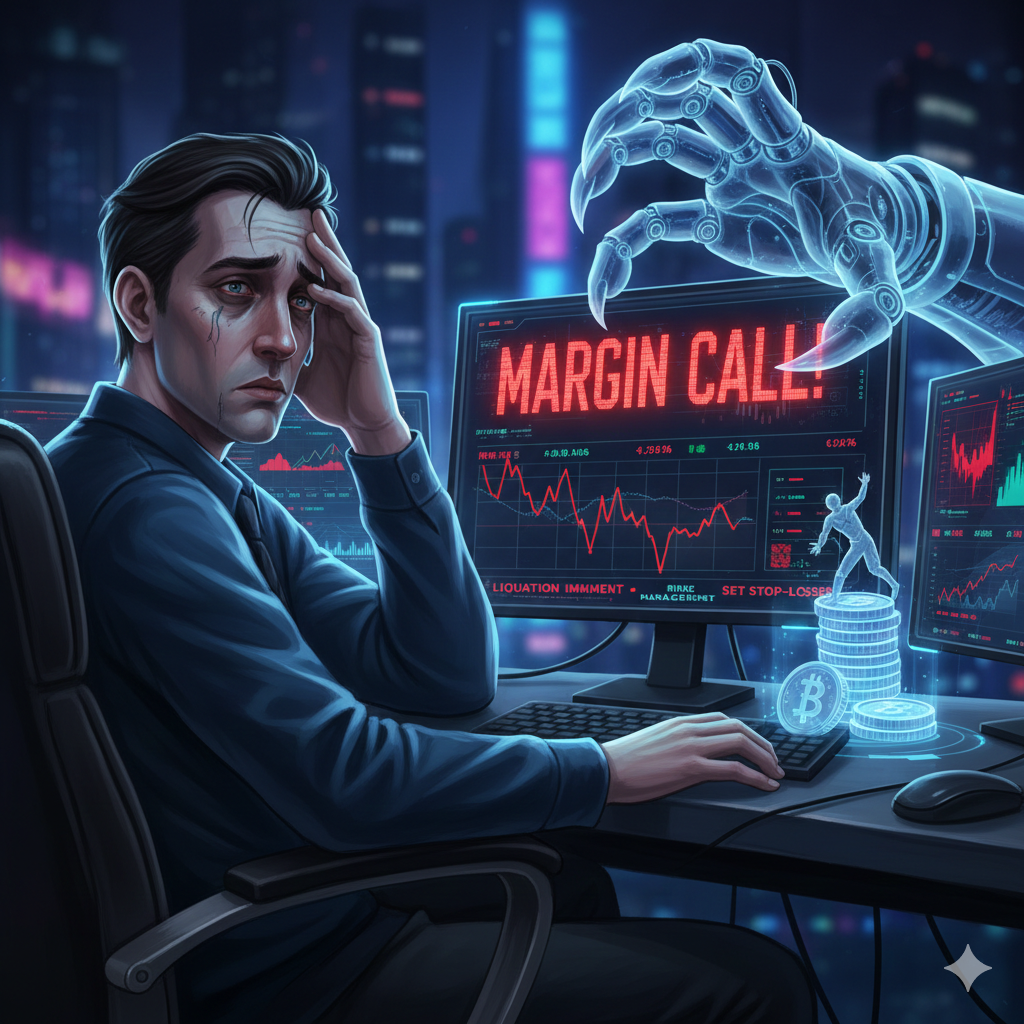
This situation is commonly caused by a margin call.
Understanding what a margin call is, how it occurs, and how to avoid it is essential for anyone trading leveraged financial products such as forex, stocks (via derivatives), or cryptocurrencies.
What Is A Margin Call?
A margin call occurs when the funds available in your trading account are no longer sufficient to support your open leveraged positions.
When trading with leverage, you are required to deposit a portion of the total trade value as margin.
This margin acts as collateral for the borrowed funds provided by your broker.
If the market moves against your position and your account balance falls below the minimum required margin level, your broker may:
- issue a margin call
- request additional funds
- automatically close your trades
to prevent further losses.
How Does Margin Work In Trading?
When you open a leveraged trade, you are not required to deposit the full value of the position.
Instead, you deposit a smaller percentage known as the required margin.
For example:
Using 1:10 leverage:
To open a £10,000 position
You may only need to deposit:
£1,000
The remaining amount is effectively provided by the broker.
However, if the trade moves against you, losses are calculated based on the full position size — not just your deposited margin.
When Does A Margin Call Happen?
A margin call typically occurs when:
- your open trades move into loss
- your account equity decreases
- your available margin falls below the required level
As losses increase, your ability to maintain the leveraged position decreases.
Once your equity falls below a certain threshold, the broker may intervene by closing positions automatically.
This process is often referred to as liquidation or stop out.
Why Brokers Close Trades Automatically
Brokers close trades automatically during a margin call to:
- protect borrowed funds
- limit further account losses
- maintain account requirements
Without this mechanism, losses could exceed the funds available in the trading account.
How High Leverage Increases Margin Call Risk
Using high leverage increases both potential profits and potential losses.
For example:
Using 1:100 leverage allows traders to control very large positions with relatively small deposits.
However, even small price movements may result in:
- rapid losses
- reduced equity
- increased likelihood of margin calls
This is one of the primary reasons beginner traders may lose their accounts quickly when using excessive leverage.
How To Avoid A Margin Call
Traders may reduce the likelihood of receiving a margin call by:
- using lower leverage
- maintaining sufficient account balance
- applying consistent risk management
- setting stop loss orders
- avoiding overexposure to a single trade
Defining risk before entering a trade may help protect trading capital.
The Role Of Risk Management
Margin calls are often the result of:
- overleveraging
- lack of stop losses
- excessive position sizes
Maintaining consistent risk per trade and avoiding unnecessary exposure may help traders remain in the market longer.
Conclusion
A margin call occurs when the funds in your trading account are no longer sufficient to support your open leveraged positions.
Understanding how leverage and margin requirements work is essential for managing risk in financial markets such as forex, stocks, and cryptocurrencies.
By using appropriate leverage and implementing risk management strategies, traders may reduce the likelihood of margin calls and protect their trading capital over time.