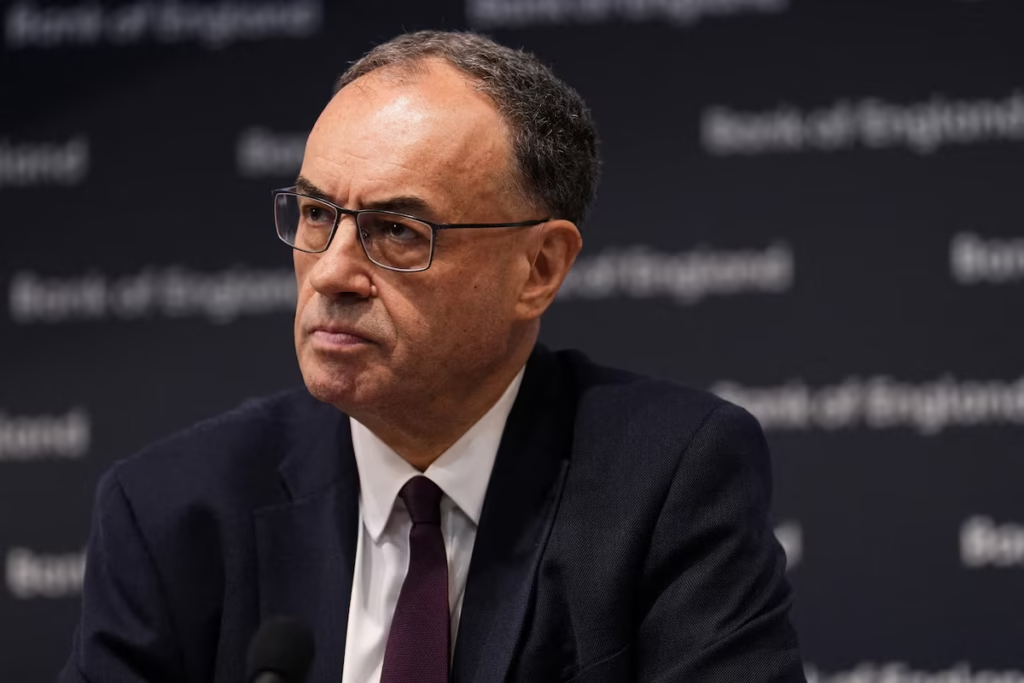
Interest rates in the UK could be about to change sooner than expected. Recent comments from Bank of England (BoE) officials have indicated that a potential rate cut as early as March 2026 is now a real possibility. After more than two years of elevated borrowing costs designed to combat inflation, markets are beginning to price in a shift in monetary policy that could affect everything from mortgages to savings accounts, stock markets, and even the value of the British pound.
In this article, we break down what’s happening, why it matters, and what it could mean for retail investors.
What’s Happening?
The Bank of England has held interest rates at elevated levels in an effort to bring inflation back down toward its 2% target. While this approach has helped cool inflation from its previous highs, recent economic data suggests that price pressures may finally be easing.
Key developments include:
- UK inflation trending downward toward manageable levels
- Slower economic growth across multiple sectors
- Reduced consumer spending
- Signs of a softening labour market
In light of these changes, policymakers have begun signalling that a rate cut in the near future is now under serious consideration. The possibility of a March 2026 rate cut has already started influencing financial markets, particularly currency and bond markets.
Why Interest Rates Matter
Interest rates are one of the most powerful tools used by central banks to control inflation and stabilise the economy. When rates are high:
- Borrowing becomes more expensive
- Consumer spending tends to slow
- Businesses delay investment
- Inflation is brought under control
However, high rates also put pressure on households and companies. Mortgage repayments increase, credit becomes harder to access, and economic growth can slow significantly.
Lowering interest rates, on the other hand:
- Makes borrowing cheaper
- Encourages spending and investment
- Supports economic growth
- Can boost asset prices such as stocks
This is why a potential rate cut is drawing attention from investors and homeowners alike.
Potential Market Impact
A rate cut from the Bank of England could have wide-ranging effects across financial markets.
1. Currency Markets (GBP)
Lower interest rates often reduce the attractiveness of a country’s currency to foreign investors. As a result, the British pound may weaken if rates are cut. This can lead to:
- Increased volatility in GBP exchange rates
- Potential movement in currency pairs such as GBP/USD
- Opportunities and risks for traders
2. Stock Markets
Equity markets typically react positively to lower interest rates. When borrowing becomes cheaper:
- Companies can expand more easily
- Profit margins may improve
- Investors shift from savings to higher-risk assets
This often results in rising share prices, particularly in growth-focused sectors.
3. Mortgage and Loan Rates
A rate cut could reduce the cost of borrowing for households over time. While mortgage lenders may not immediately pass on the full benefit, borrowers could eventually see:
- Lower monthly repayments
- Improved affordability
- Increased demand in the housing market
What This Means for Retail Investors
For individual investors, a potential rate cut could signal a shift in market conditions.
Here are some considerations:
- Lower savings rates may reduce returns on cash holdings
- Stocks may become more attractive as borrowing costs fall
- Currency fluctuations could impact overseas investments
- Bond yields may decline
Investors may wish to review their portfolios in light of these potential changes. Market sentiment can shift quickly when central banks begin adjusting policy, and positioning early could be beneficial depending on individual financial goals.
Frequently Asked Questions
Will mortgage rates fall immediately after a rate cut?
Not necessarily. Mortgage rates are influenced by multiple factors, including long-term bond yields. It may take time before borrowers see meaningful changes.
How does a rate cut affect the stock market?
Lower rates typically support equity markets by reducing borrowing costs and encouraging investment, though outcomes can vary depending on broader economic conditions.
Could the pound lose value?
Yes. A rate cut can weaken a currency if investors seek higher returns elsewhere.
Is a rate cut guaranteed in March 2026?
No. The decision will depend on future economic data, including inflation and employment figures.
Should I change my investment strategy now?
Any investment decision should be based on personal financial circumstances and long-term goals rather than short-term market movements.
Conclusion
The possibility of a Bank of England interest rate cut in March 2026 marks an important moment for the UK economy. While lower rates could ease pressure on borrowers and stimulate growth, they may also introduce new dynamics in currency and financial markets.
For retail investors, staying informed about central bank decisions is essential. Interest rate changes can influence everything from mortgage repayments to stock market performance, making it important to understand how policy shifts may affect your financial position in the months ahead.