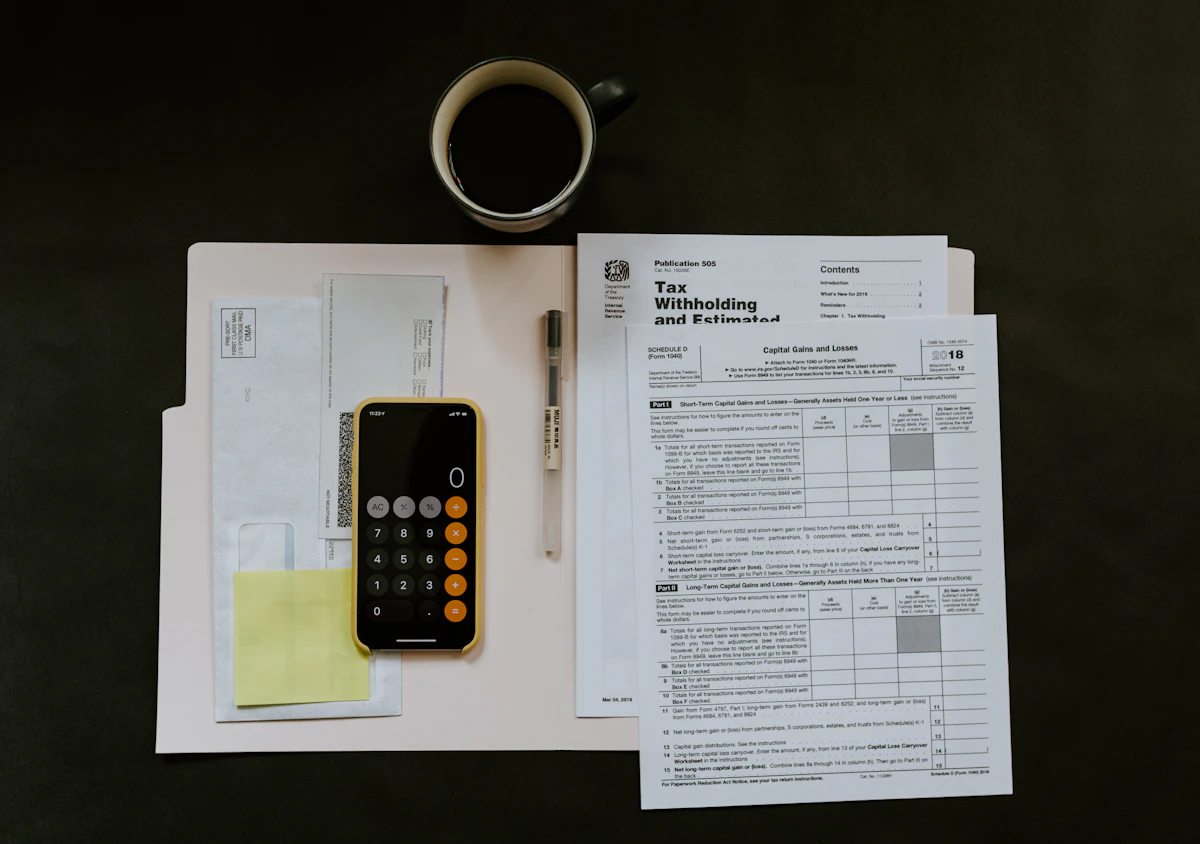
How to Pay Off Debt and Save Money at the Same Time
Savings & Debt Guide
Paying off debt and saving money at the same time can feel impossible, but for many people it is the smartest way to build financial stability without falling into the same cycle again.
A lot of people assume they must choose one or the other. They think they either have to throw every spare pound at debt or save every extra bit of money while debt waits in the background. In reality, the best approach is often more balanced.
Think about it:
If you focus only on debt and save nothing, what happens when an emergency bill appears? Many people end up borrowing again, which can undo some of the progress they have made.
What you will learn
- Why saving and debt repayment both matter
- When to prioritise debt and when to prioritise savings
- Why an emergency fund is so important
- The difference between high-interest and low-interest debt
- How to build a realistic debt repayment plan
- Popular strategies such as debt snowball and debt avalanche
- How to save money without ruining your budget
- Common mistakes that keep people stuck
Before you start:
This guide is educational and general in nature. It is not personal financial advice. The right balance between saving and debt repayment depends on your income, expenses, debt type, and financial goals.
Why this balance matters
If you only focus on debt, you may make progress in the short term, but you could leave yourself exposed. A surprise expense such as a car repair, higher bill, broken appliance, or emergency travel cost can push you back into borrowing.
If you only focus on saving while ignoring expensive debt, interest charges can keep growing and slow down your progress. This is especially true for high-interest debt such as credit cards.
The goal is not just to get out of debt. The goal is to become financially stronger and less dependent on debt in the future.
Should you save first or pay off debt first?
This is one of the biggest personal finance questions, and the answer depends on your situation. In many cases, a mixed approach works best.
For example, if you have no emergency fund at all, it often makes sense to build a small cash buffer while also making at least the minimum payments on your debts. Once that small buffer is in place, you can focus more aggressively on high-interest debt.
Save first:
If you have no emergency money at all, even a small savings cushion can stop you from relying on debt when life gets expensive.
Pay debt first:
If you are carrying high-interest debt, especially credit card debt, reducing it quickly can save a lot of money in interest over time.
Simple rule:
For many beginners, a sensible starting point is to build a small emergency fund first, then focus hard on high-interest debt while continuing to save modestly.
Start with a small emergency fund
A small emergency fund is often the missing piece in a debt repayment plan. Without it, every unexpected cost has the power to push you backwards.
You do not always need a huge amount immediately. For many people, even a starter emergency fund can make a difference. The key is to create some breathing room.
Example:
If your washing machine breaks or your car needs a repair, even a modest emergency fund can stop you from reaching for a credit card or loan again.
- A small emergency fund can reduce financial stress
- It can stop minor problems becoming new debt
- It helps protect the progress you make on repayment
- It creates a stronger financial base before focusing harder on debt
Try this:
Set a first savings target that feels achievable. The point is not perfection. The point is to create a buffer between you and the next unexpected expense.
Understand the difference between good and bad debt
Not all debt creates the same level of pressure. High-interest consumer debt is usually the most urgent because it becomes expensive quickly. Lower-interest debt may still matter, but it often does not need the same level of urgency.
Credit cards, payday loans, and some forms of personal borrowing can become difficult because interest charges eat into your ability to save and move forward. Other debts, such as student loans or lower-rate borrowing, may need a different strategy.
Key idea:
The higher the interest rate, the more expensive it usually is to delay repayment.
Know your numbers before making a plan
A lot of people avoid looking at their full debt picture because it feels stressful. But clarity is powerful. Before making any plan, you should know exactly what you owe, what the interest rates are, and what your minimum payments look like.
- Total debt balance
- Each debt separately
- Interest rate on each debt
- Minimum monthly payment
- Due date for each payment
- Your total monthly income
- Your essential monthly spending
Common mistake:
Some people make extra payments on the wrong debt because they never compare interest rates or balances properly.
Build a simple budget that actually works
You do not need a complicated spreadsheet to make progress. What matters is having a realistic system that shows where your money goes and how much you can consistently put toward savings and debt repayment.
A useful budget does not only track spending. It gives every pound a purpose. Your money should cover essentials, debt payments, savings goals, and a reasonable amount for normal life.
A good budget should feel sustainable, not like a punishment you cannot keep up with.
- Cover essentials first
- Make all minimum debt payments
- Set aside regular savings
- Put extra money toward your chosen debt target
- Leave a small amount for flexible spending so the plan feels realistic
Debt snowball vs debt avalanche
Two of the most popular debt repayment strategies are the debt snowball and the debt avalanche. Both can work, but they suit different personalities and goals.
Debt snowball:
Pay off the smallest balance first while making minimum payments on the rest. Once the smallest debt is cleared, move to the next one. This builds momentum and motivation.
Debt avalanche:
Pay off the highest-interest debt first while making minimum payments on the rest. This usually saves more money on interest over time.
Which is better?
If motivation is your biggest challenge, the snowball method can help you stay consistent. If saving the most money on interest matters most, the avalanche method is usually stronger.
Can you save money while paying off debt?
Yes, but the amount may be different depending on your financial pressure. If your debt interest is very high, your savings may be smaller at first. If your debt is manageable, you may be able to save more while continuing steady repayment.
Even a small savings habit matters because it builds discipline and prevents the mindset of living from one emergency to the next.
Example:
Someone might put a small amount each month into a starter emergency fund while also putting extra money toward their highest-interest debt. That is still progress on both fronts.
Ways to free up more money each month
Once you know your budget, the next step is finding extra room. Small changes repeated every month can create more money for repayment and savings.
- Review subscriptions and cancel what you do not use
- Cut back on impulse spending
- Plan meals and reduce takeaway costs
- Shop around for cheaper insurance or utilities
- Sell unused items
- Increase income with overtime, freelance work, or side income if possible
- Use windfalls such as refunds or bonuses wisely
Try this:
Instead of asking, “How can I completely change my finances this month?” ask, “Where can I find one extra amount I can redirect every month?” Consistency matters more than dramatic one-off effort.
Why high-interest debt should usually be tackled quickly
High-interest debt grows faster and drains more of your income. This makes it harder to build savings and harder to feel in control.
The longer it remains, the more money can be lost to interest instead of being used to improve your financial position.
If your debt is expensive, every month it stays around can quietly cost you money that could have gone into savings or future goals.
Do not ignore minimum payments
Even if you are focusing on one main debt, you still need to keep up with minimum payments on the others. Missing payments can lead to fees, higher interest, and damage to your credit record.
A focused strategy works best when it is organised. That means protecting your payment history while directing extra money intelligently.
Important:
Throwing all your extra money at one debt while neglecting the others can create new problems if missed payments trigger penalties or extra charges.
When your debt feels unmanageable
Some people are not dealing with a simple budgeting problem. They are dealing with debt that has become overwhelming. If minimum payments are difficult, interest is piling up, or you are using debt to cover essentials, it may be time to seek help.
The most important thing is not to ignore the problem. The earlier you face it, the more options you may have.
Key idea:
If debt feels unmanageable, getting help is a responsible step, not a failure.
Common mistakes to avoid
- Trying to save a lot while ignoring high-interest debt
- Paying off debt aggressively without keeping any emergency buffer
- Not knowing the interest rate on each debt
- Using savings as an excuse to avoid repayment
- Using debt again after making progress
- Setting a budget that is too strict to maintain
- Making no plan and hoping things improve on their own
Common mistake:
Many people create a perfect plan on paper that is far too harsh in real life. A plan that lasts is better than a plan that collapses after two weeks.
A simple action plan
- List all debts, balances, rates, and minimum payments
- Review your income and monthly expenses
- Build or start a small emergency fund
- Choose a repayment method such as snowball or avalanche
- Continue minimum payments on all debts
- Direct extra money toward your chosen priority debt
- Keep saving regularly, even if the amount is modest
- Review progress every month
Try this:
Choose one payday this month to review your plan. Do not overcomplicate it. Just check what came in, what went out, how much you saved, and how much debt you reduced.
Quick recap
- Saving and debt repayment can work together
- A small emergency fund can protect your progress
- High-interest debt usually deserves more urgency
- A realistic budget is essential
- Debt snowball helps motivation
- Debt avalanche can reduce interest costs faster
- Consistency matters more than perfection
- The goal is long-term financial stability, not just short-term relief
Mini quiz
Question 1:
Why is a small emergency fund important while paying off debt?
Answer: Because it can stop unexpected expenses from pushing you back into borrowing.
Question 2:
Which method usually saves more money on interest: debt snowball or debt avalanche?
Answer: Debt avalanche, because it focuses on the highest-interest debt first.
Question 3:
Should you ignore savings completely while paying off debt?
Answer: Not always. A balanced approach with at least some savings is often more sustainable and protective.
Final thoughts
Paying off debt and saving money at the same time is not about doing everything perfectly. It is about building a smarter system. You want a plan that reduces debt, builds resilience, and makes it less likely that you will need to borrow again.
The strongest financial progress often comes from balance: protecting yourself with savings while steadily reducing the debt that holds you back.
If you keep your plan realistic, understand your numbers, and stay consistent, even small monthly progress can turn into meaningful long-term change.